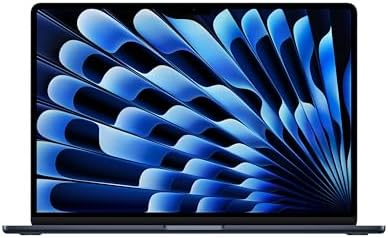
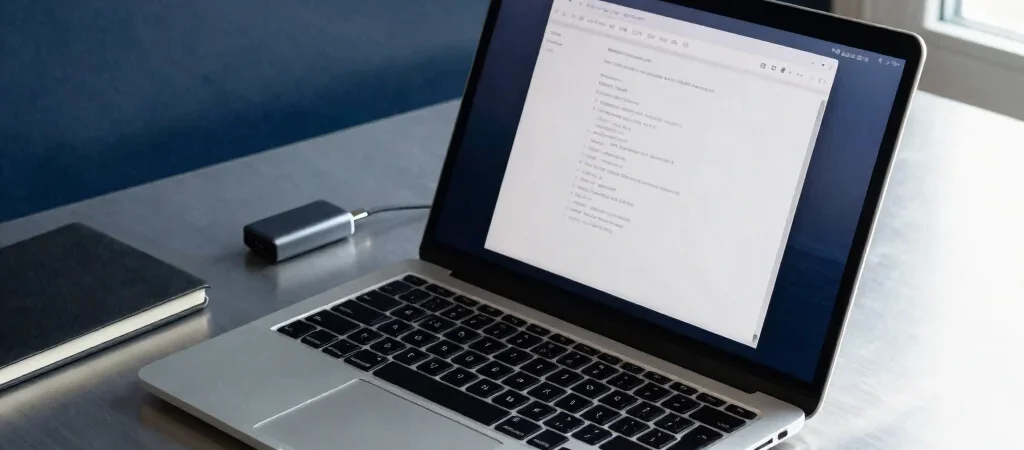
The difference between a laptop that works for you and one that stays on the desk often shows up between meetings: a dim screen near a window, a cramped keyboard, or a charger you forgot to pack. Processor names and memory numbers matter, but they are only part of daily use. The better choice is the machine whose limits fit your actual routine.
Start With Your Workload
For writing, browsing, video calls, and schoolwork, responsiveness and a comfortable keyboard may make a bigger difference than paying for extra graphics power. Editing large video projects or running demanding design software calls for closer attention to processor, memory, and graphics capabilities. Memory is the space your active apps use; too little can make switching between a browser, a call, and a document feel sluggish.
Notice the Physical Trade-Offs
Screen size affects more than how much fits on the page: it also changes the laptop’s weight and how easily it fits in a bag. Check screen brightness and reflections if you work near windows, and look at the keyboard layout if you often use arrow keys or function keys. Ports count, too; a laptop with few connections may mean carrying an adapter for an external display, storage, or wired accessories.
Compare the Whole Setup
Battery-life claims are useful for narrowing options, but real runtime varies with brightness, calls, apps, and wireless use, so look for comparable review conditions when available. Before choosing, write down where you’ll use the laptop, the software you need, and what you would otherwise carry alongside it. Some links in Smart Reviews articles may earn a commission; our comparisons are meant to make the strengths and compromises visible, not to turn one specification into a universal recommendation.