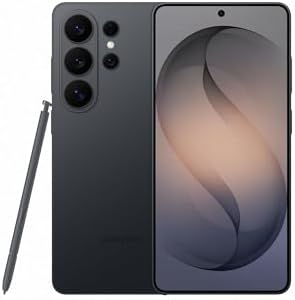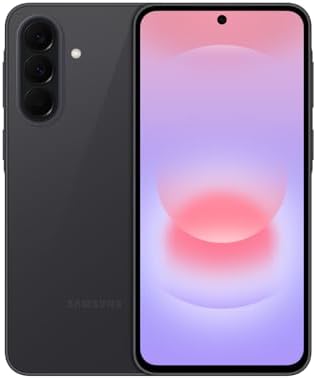
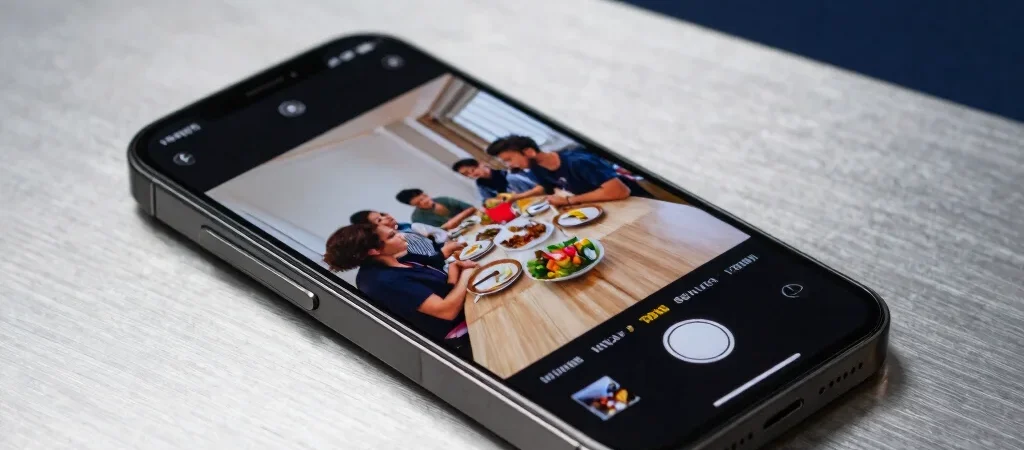
A child leans toward a birthday cake, someone reaches for a candle, and the photo comes out soft. That’s the kind of moment a camera comparison should account for—not just the number printed beside “megapixels.” Resolution matters, but so do focus, exposure, image processing, and how well a phone handles movement.
Read Beyond the Resolution
Megapixels describe how much image detail a camera can capture under suitable conditions; they don’t guarantee that a moving subject will be sharp or that a dim room will look natural. A phone’s software also decides how it balances brightness, contrast, and noise in the finished photo. When comparing models, look for sample images in the situations you actually photograph, not only bright outdoor scenes.
Check the Difficult Moments
Indoor light, backlit faces, and fast-moving pets reveal different weaknesses. Pay attention to whether skin tones look believable, whether fine detail turns smeared in shadows, and how often the camera gets focus right. If you use zoom, compare the specific zoom levels you expect to use; a phone may rely on cropping or software at some levels rather than a dedicated camera lens.
Choose for Your Photos
If you mostly take group photos in daylight, consistent color and dependable focus may matter more than the longest zoom. If evening events are common, seek out low-light examples and check whether the phone preserves detail without making the scene look unnaturally bright. Some links in our coverage may earn Smart Reviews a commission; we explain the trade-offs we see in the specifications and available review evidence rather than treating a headline camera number as a verdict.